
The Back-End Development course is designed to equip you with the skills and knowledge necessary to become a proficient back-end developer. This course will take you through the fundamental concepts of server-side programming, databases, APIs, and deployment strategies, enabling you to build robust and scalable web applications.
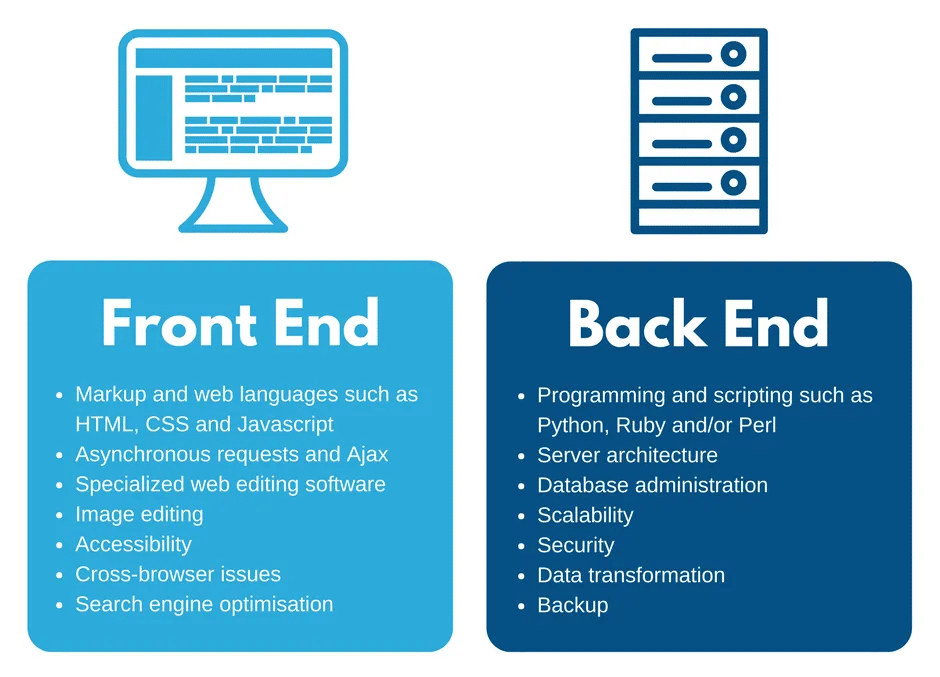
Throughout the course, you will start by selecting a popular server-side programming language such as JavaScript (Node.js), Python, or Java. You will learn the basics of the language, including syntax, data types, and control flow, and practice writing programs to solve problems. Next, you will delve into databases, understanding relational databases (SQL) or document-oriented databases (NoSQL), such as MongoDB or Firebase. You will learn how to design and create database schemas and perform CRUD operations to manipulate data.
The course will then guide you through the concepts of building RESTful APIs, where you will learn to design and implement APIs using frameworks like Express.js (Node.js) or Flask (Python). You will gain an understanding of HTTP methods, status codes, and API security measures, such as user authentication and authorization using techniques like JSON Web Tokens (JWT) or OAuth.
Furthermore, you will explore server deployment strategies and cloud platforms like AWS or Heroku, as well as containerization using Docker. You will learn how to set up environments, manage servers, and deploy your applications to ensure they are accessible to users. Additionally, you will discover back-end frameworks like Express.js, Django, or Spring, understanding their features, architecture, and how to build applications using these frameworks.
The course will cover essential topics like caching, performance optimization, security best practices, and testing and debugging. You will learn how to optimize database queries, implement caching mechanisms, address security vulnerabilities, and write tests to ensure the quality of your code. Additionally, you will explore concepts like microservices architecture and scalability, enabling you to build scalable and distributed systems.
To enhance your learning experience, the course includes hands-on projects where you will apply your knowledge to real-world scenarios. You will build a blogging platform, an e-commerce backend, and a social media API, gaining practical experience in designing, implementing, and deploying back-end systems.
By the end of this Back-End Development course, you will have a solid understanding of back-end technologies, possess the ability to build secure and scalable web applications, and be well-prepared to embark on a career as a back-end developer. Whether you aspire to work for established companies, startups, or pursue entrepreneurial endeavors, this course will equip you with the skills and knowledge to excel in the dynamic field of back-end development.
- معلم: TCSC London Academy
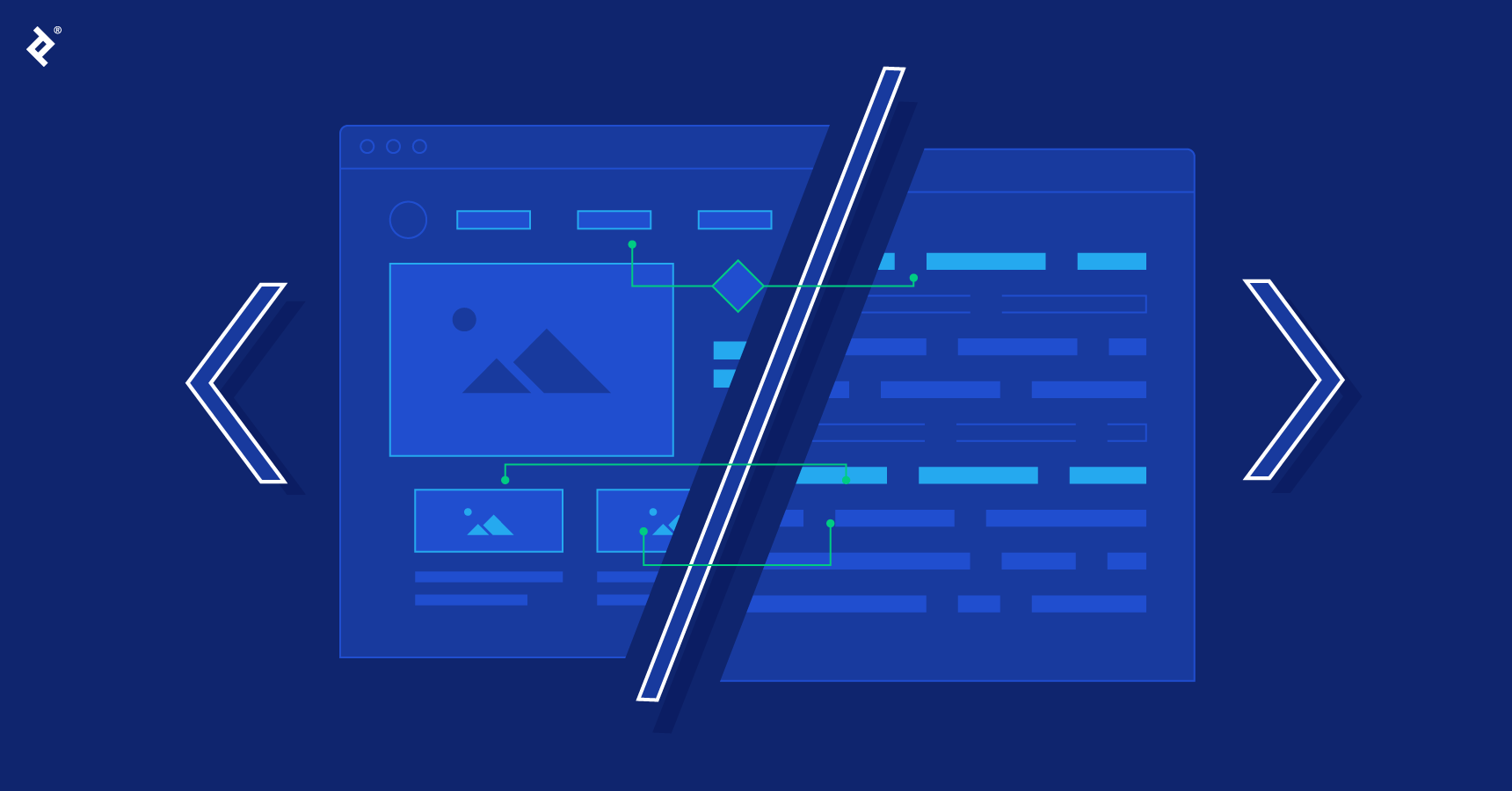
The Front-End Development course is designed to provide you with a comprehensive understanding of the skills and tools required to become a proficient front-end developer. This course will take you from the basics of HTML, CSS, and JavaScript to advanced concepts of front-end frameworks, responsive design, testing, and performance optimization.

Throughout the course, you will start by learning the fundamentals of HTML, where you will gain a solid understanding of document structure, semantic markup, and creating interactive webpages. Next, you will dive into CSS, exploring various styling techniques, layout strategies, and responsive design principles to create visually appealing and adaptable websites.
As you progress, you will move on to JavaScript, where you will learn programming concepts, data manipulation, and DOM manipulation to create dynamic and interactive web content. You will then explore popular JavaScript frameworks and libraries such as React or Angular, gaining hands-on experience in building modern web applications with component-based architectures.
The course will also cover essential topics like version control with Git, testing and debugging techniques, and web accessibility standards to ensure your applications are user-friendly and inclusive.
To enhance your learning experience, the course includes practical projects where you will apply your knowledge to real-world scenarios. You will build interactive webpages, develop responsive websites, and create dynamic web applications using front-end frameworks. These projects will not only showcase your skills but also provide you with valuable portfolio pieces to demonstrate your abilities to potential employers.
By the end of this Front-End Development course, you will have a solid foundation in front-end technologies, possess the ability to create visually appealing and user-friendly web interfaces, and be well-equipped to tackle the challenges of modern web development. Whether you aspire to work as a front-end developer, UI/UX designer, or pursue further specialization in web development, this course will provide you with the necessary skills and knowledge to succeed in the rapidly evolving world of front-end development.
- معلم: TCSC London Academy
The Python training course is designed to provide comprehensive knowledge and practical skills in Python programming. The course covers essential topics ranging from basic Python syntax and data structures to advanced concepts like object-oriented programming, web development, data analysis, machine learning, and more. Participants will gain hands-on experience through coding exercises, projects, and real-world examples.
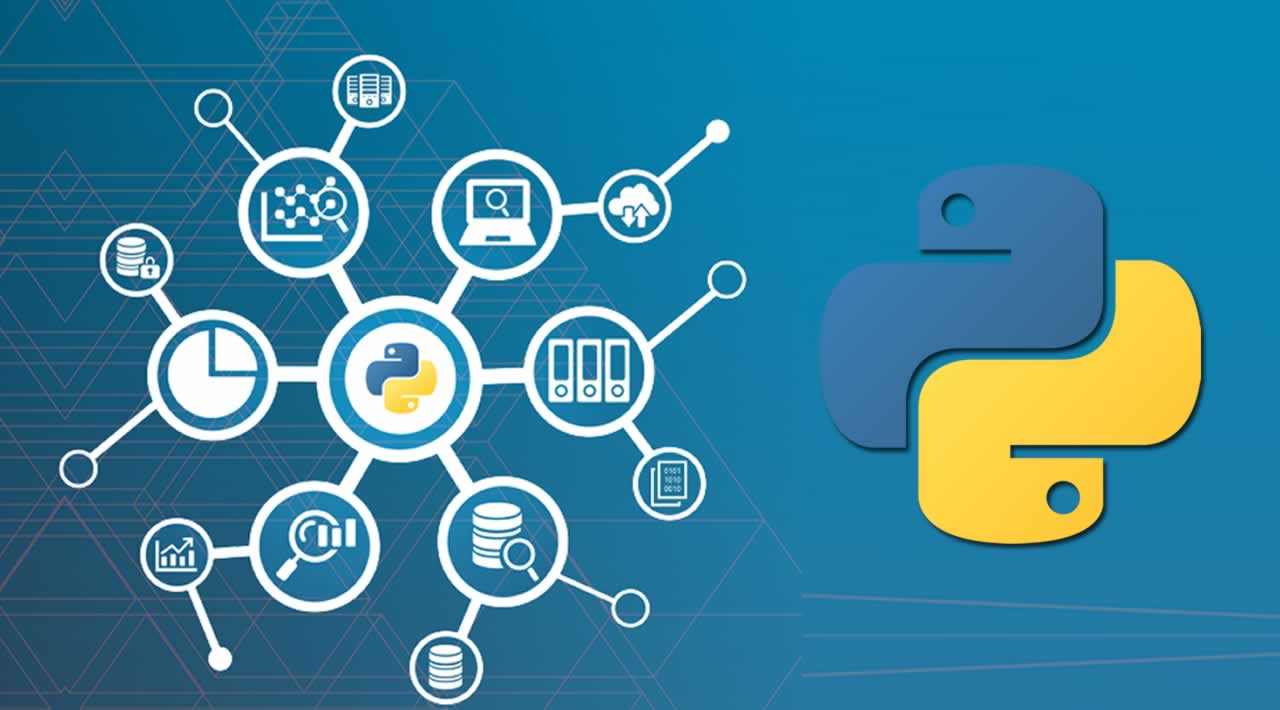
Why Python? :
Python is an excellent choice for learning programming for several reasons:
- Simplicity and Readability: Python has a clean and straightforward syntax that is easy to understand and read. Its simplicity makes it an ideal language for beginners to grasp programming concepts quickly. The use of indentation for code blocks enhances readability, making Python code more organized and visually appealing.
- Versatility and Popularity: Python is a versatile language that can be used for a wide range of applications. It has extensive libraries and frameworks that support various domains such as web development, data analysis, machine learning, scientific computing, and more. Python's popularity is evident in its vast and active community, which contributes to the availability of resources, libraries, and support.
- Productivity and Efficiency: Python promotes efficient and productive programming practices. It emphasizes code reusability, modularity, and rapid development. The extensive collection of third-party libraries, such as NumPy, Pandas, and TensorFlow, simplifies complex tasks and accelerates development time. Python's interpreted nature allows for quick prototyping and interactive experimentation, enabling developers to iterate and refine their code effectively.
Choosing Python for the training course offers a beginner-friendly programming experience with its simplicity and readability. Its versatility and popularity open up numerous opportunities for various applications and industries. Moreover, Python's emphasis on productivity and efficiency enhances the development process and allows for faster results.
- معلم: TCSC London Academy